The Identity Crisis Nobody Prepares Educated Women For
[No. 02]
Nobody warns you about the identity that quietly disappears after years of giving everything to your family. This is the conversation that should have happened much earlier.
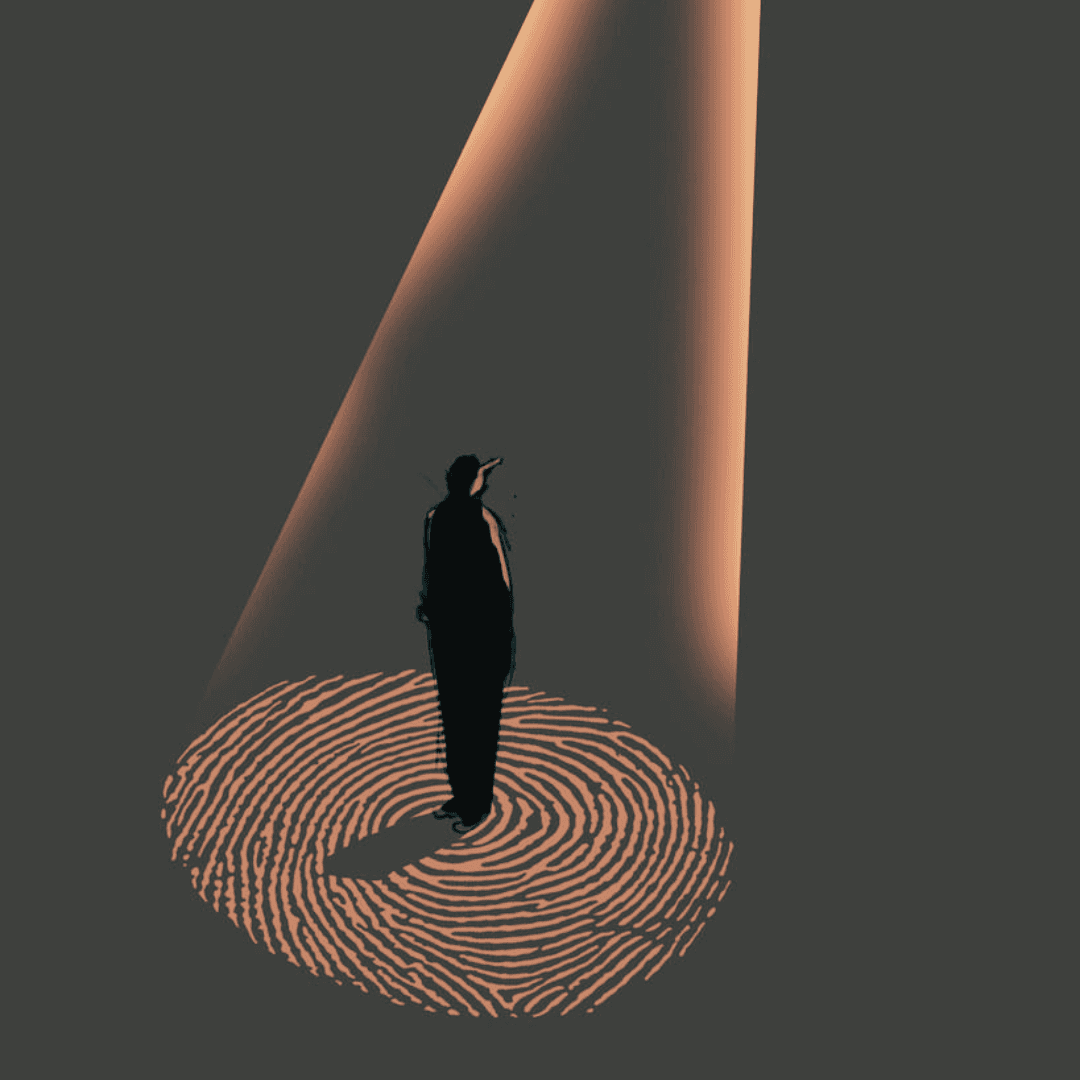
There is a particular kind of confusion that arrives quietly, without a dramatic event to pin it to.
The children are older. The house runs itself. The urgent, consuming demands of early motherhood have softened into something more manageable. And in the space that opens up, instead of relief, there is an unsettling question that has no obvious answer.
Who am I now?
It is a question that well-educated, highly capable women are often completely unprepared for. And the reason for that unpreparedness is not a personal failing. It is a structural gap in how we are raised, educated, and socially prepared.
The identity that education promises
When you spend years building academic and professional credentials, you develop a very concrete sense of what you are capable of. There is evidence of your ability: degrees, accolades, professional experience, the feedback of colleagues and institutions. Your identity has an anchor.
Then you make a choice, often a considered, willing, and values-aligned choice, to step back from professional life to invest in your family. And gradually, over years, that professional identity loses its anchor.
This is not the same as losing confidence. Many women who step away from careers remain deeply competent, deeply intelligent, and deeply capable of extraordinary things. But competence and confidence need a context to live in. Without a structure that reflects your capability back to you, both can start to feel less real.
The loneliness of the capable woman with nowhere to direct it
A 2021 report by the National Sample Survey Office found that female labour force participation in India among women with postgraduate degrees who had taken career breaks was significantly lower than their male counterparts, not due to lack of desire to return, but due to structural and confidence barriers that developed during the years away.
This is the hidden cost of the identity gap. It is not just about professional fulfilment. It is about self-worth. The woman who once presented at conferences and managed teams and navigated complex professional environments finds herself, a decade later, uncertain whether she still has what it takes. Not because she has lost anything, but because nothing in her immediate environment is showing her what she still has.
The second chapter that most people do not talk about
Here is what is also true, and what gets far less airtime.
The skills that are built through the sustained, demanding, often thankless work of raising a family and managing a home are not trivial. The emotional intelligence required to hold a family together through crises, to navigate the competing needs of multiple people, to maintain equilibrium under pressure, these are not soft skills. They are the same capabilities that organisations spend thousands training their senior leaders to develop.
The woman on the other side of two decades of this work is not diminished. She is seasoned. What she often lacks is not capability but a framework to understand and direct what she has built.
Reinvention at this stage of life is not starting over. It is redirecting. The same intelligence, the same discipline, the same capacity to show up fully, pointed finally in a direction that is entirely her own.
The question is not whether you still have what it takes. The question is where you want to take it next.
That is a very different conversation. And it starts with deciding that you are worth having it.